
If you want your dealership to show up when customers search things like “ATVs for sale near me” or “powersports dealer website provider,” you need a real SEO strategy
If you want your dealership to show up when customers search things like “ATVs for sale near me” or “powersports dealer website provider,” you need a real SEO strategy
If you want your dealership to show up when customers search things like “ATVs for sale near me” or “powersports dealer website provider,” you need a real SEO strategy
If you want your dealership to show up when customers search things like “ATVs for sale near me” or “powersports dealer website provider,” you need a real SEO strategy
What Is SEO for Powersports Dealers?
Search Engine Optimization (SEO) is how your dealership shows up in Google when people search for:
dirt bikes for sale
side-by-sides near me
snowmobile dealers
ATV dealerships
powersports dealer website provider
Done right, SEO turns your website into a free, consistent lead generator.
Step 1: Keyword Strategy (This Is Everything)
Most dealers get SEO wrong because they target the wrong keywords.
You need to focus on high-intent, buyer-driven searches.
Primary Keywords (Money Keywords)
These bring in buyers ready to act:
ATV dealers near me
dirt bikes for sale
side by sides for sale
snowmobiles for sale
used ATVs near me
Secondary Keywords (Support Keywords)
These build authority and support rankings:
best beginner dirt bikes
how to finance a side by side
ATV maintenance tips
snowmobile riding gear guide
High-Value B2B Keyword (For Traction)
powersports dealer website provider
powersports marketing agency
dealer website platform
👉 Your main SEO page (pillar page) should target:
“powersports dealer website provider”
Then support it with blog content (like this guide).
Step 2: Website Structure That Google Loves
Google ranks websites that are organized and easy to understand.
Your dealership website should follow this structure:
Core Pages
Homepage
Inventory (New / Used)
Financing
Service
Parts
Contact
SEO Content Pages
Blog
Buying guides
Location pages (city-based)
The Power Move: Content Clusters
You should have:
1 main pillar page (like your website provider page)
3–10 supporting blog posts that link to it
This builds topical authority, which is one of the strongest ranking factors today.
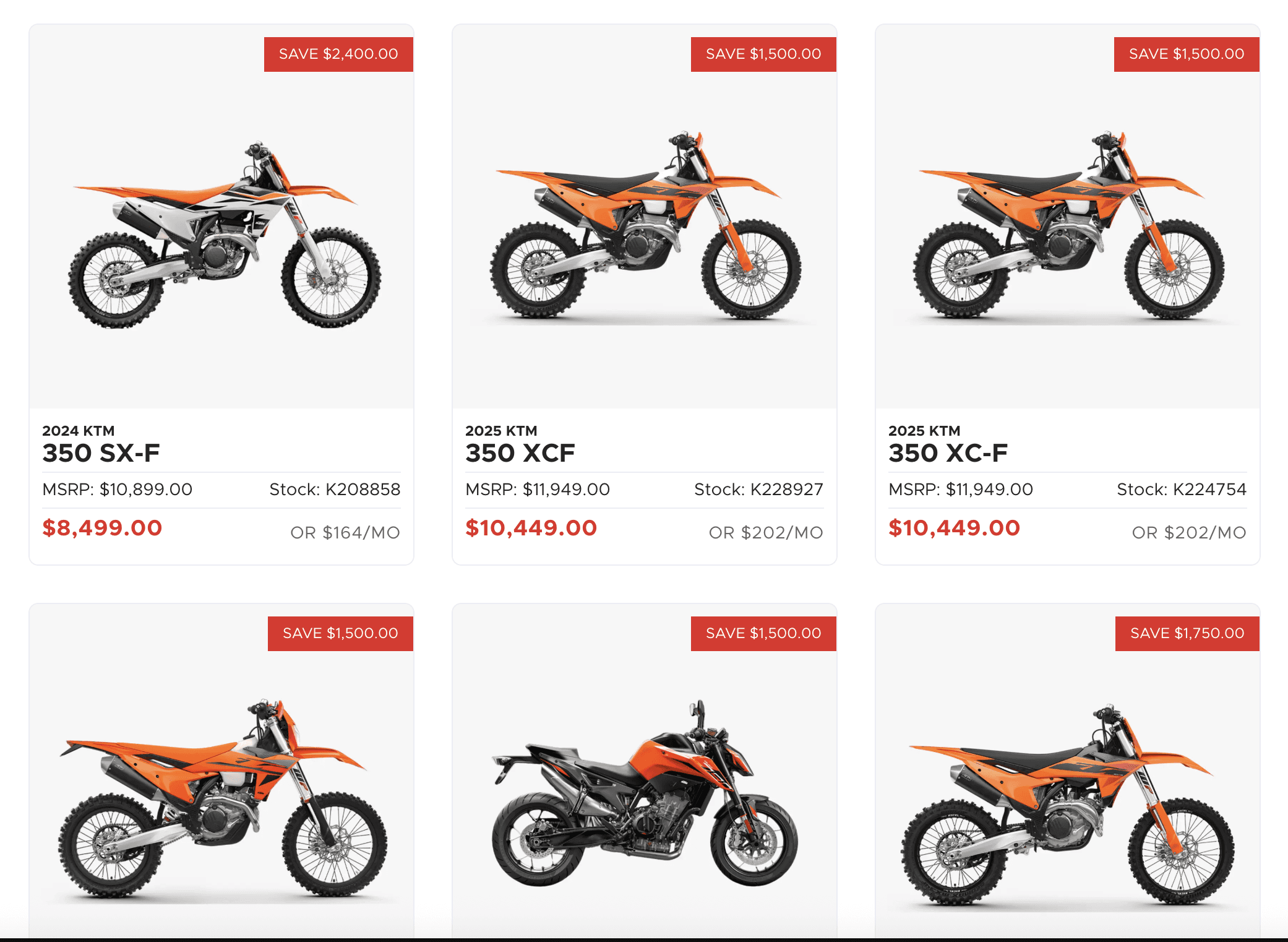
Step 3: Optimize Your Inventory Pages (Most Overlooked)
Your inventory is your biggest SEO asset.
Each unit should act like its own landing page.
Every Inventory Page Should Include:
Full unit name (year, make, model)
Keyword-rich title (example: 2024 Polaris RZR 1000 for Sale in Colorado)
Detailed description (300+ words)
Pricing info
High-quality images
Specs and features
Internal links to similar units
Why This Matters
People search for specific machines, not just dealerships.
If optimized correctly, your inventory pages can rank for:
“Polaris RZR for sale near me”
“KTM 450 dirt bike Colorado”
This is where a modern platform like Traction has a huge advantage — it builds SEO directly into inventory architecture.
Step 4: Local SEO (This Drives Foot Traffic)
Local SEO is how you show up in Google Maps and “near me” searches.
Optimize Your Google Business Profile
Make sure your listing includes:
accurate dealership name
address
phone number
hours
photos of your dealership
regular posts
Get Reviews (Huge Ranking Factor)
Aim for:
consistent new reviews
responses to every review
keywords naturally appearing in reviews
Example:
“Great place to buy a side-by-side in Steamboat”
Step 5: On-Page SEO Basics (Quick Wins)
Every page on your site should follow these rules:
Title Tags (MOST IMPORTANT)
Include keywords like:
Powersports Dealer in [City]
ATVs for Sale in [City]
Dirt Bikes Near Me
Meta Descriptions
Write compelling descriptions that increase clicks.
Headers (H1, H2, H3)
Use keywords naturally throughout headings.
Internal Linking
Link between:
blog posts
inventory
service pages
This helps Google understand your site structure.
Step 6: Content Marketing (Your Secret Weapon)
Dealerships that publish content consistently dominate search rankings.
High-Performing Blog Ideas
Best dirt bikes for beginners
Top 5 side-by-sides for hunting
ATV riding tips in Colorado
Snowmobile maintenance checklist
Why Content Works
Content helps you rank for hundreds of long-tail keywords that your competitors ignore.
It also builds trust with buyers before they ever visit your dealership.
Step 7: Technical SEO (Where Most Dealers Lose)
Even great content won’t rank if your website is technically weak.
Must-Have Technical Factors
fast load speed (under 2 seconds)
mobile optimization
clean code structure
secure HTTPS site
proper indexing
Many legacy dealership website providers fail here, which is why dealers struggle to rank.
Step 8: Backlinks (Authority Builder)
Backlinks are links from other websites pointing to yours.
They tell Google:
“This dealership is trustworthy.”
How to Get Backlinks
local business directories
chamber of commerce
sponsorships (racing teams, events)
guest blog posts
manufacturer listings
Even a few strong backlinks can dramatically improve rankings.
Step 9: Conversion Optimization (Turn Traffic Into Leads)
SEO traffic is useless if it doesn’t convert.
Your website should include:
visible “Get a Quote” buttons
financing applications
trade-in forms
service scheduling
click-to-call buttons
The best-performing dealership websites are built to capture leads at every step.
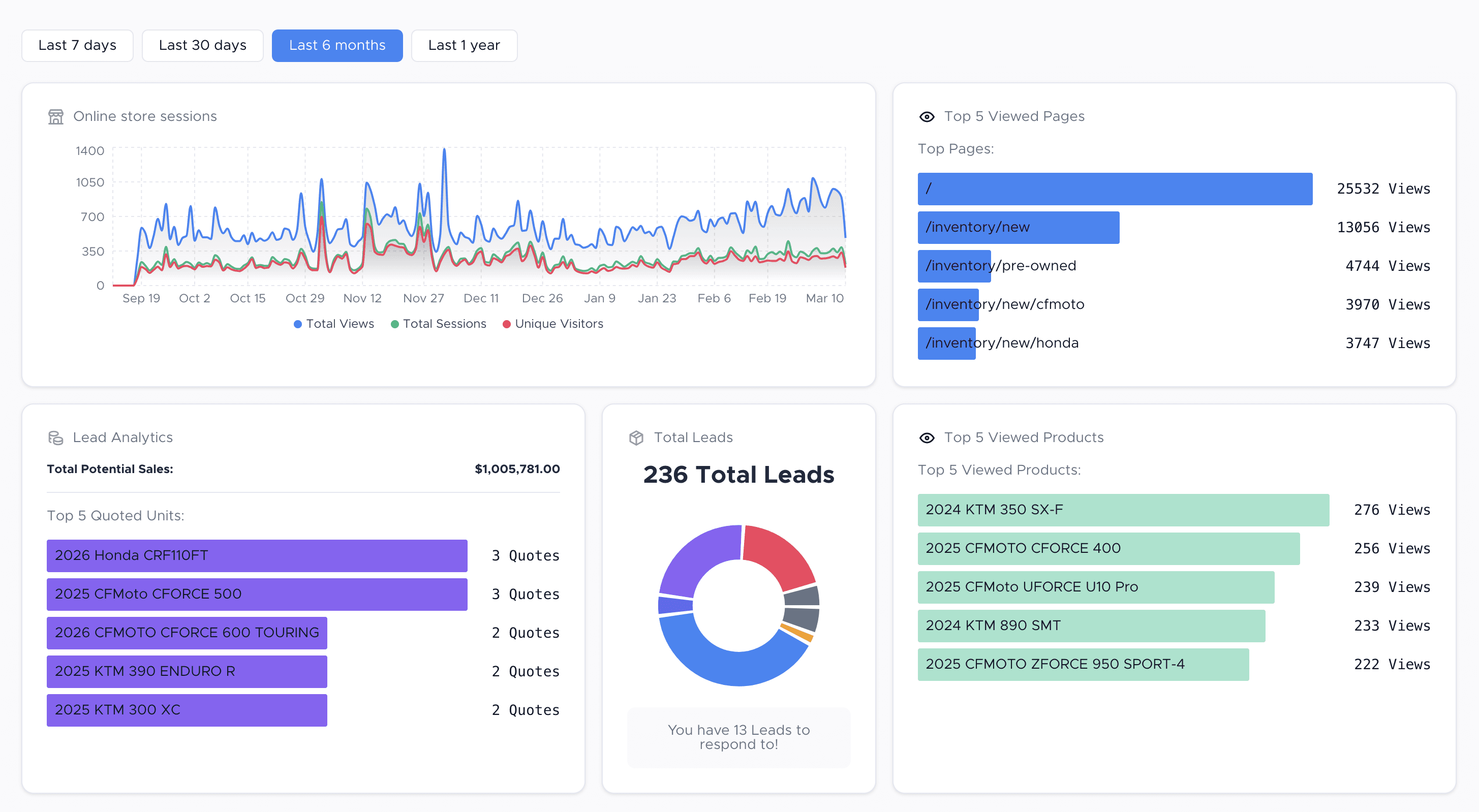
Step 10: Track Everything
You can’t improve what you don’t measure.
Tools to Use
Google Analytics
Google Search Console
Track:
traffic growth
keyword rankings
lead conversions
top-performing pages
What Is SEO for Powersports Dealers?
Search Engine Optimization (SEO) is how your dealership shows up in Google when people search for:
dirt bikes for sale
side-by-sides near me
snowmobile dealers
ATV dealerships
powersports dealer website provider
Done right, SEO turns your website into a free, consistent lead generator.
Step 1: Keyword Strategy (This Is Everything)
Most dealers get SEO wrong because they target the wrong keywords.
You need to focus on high-intent, buyer-driven searches.
Primary Keywords (Money Keywords)
These bring in buyers ready to act:
ATV dealers near me
dirt bikes for sale
side by sides for sale
snowmobiles for sale
used ATVs near me
Secondary Keywords (Support Keywords)
These build authority and support rankings:
best beginner dirt bikes
how to finance a side by side
ATV maintenance tips
snowmobile riding gear guide
High-Value B2B Keyword (For Traction)
powersports dealer website provider
powersports marketing agency
dealer website platform
👉 Your main SEO page (pillar page) should target:
“powersports dealer website provider”
Then support it with blog content (like this guide).
Step 2: Website Structure That Google Loves
Google ranks websites that are organized and easy to understand.
Your dealership website should follow this structure:
Core Pages
Homepage
Inventory (New / Used)
Financing
Service
Parts
Contact
SEO Content Pages
Blog
Buying guides
Location pages (city-based)
The Power Move: Content Clusters
You should have:
1 main pillar page (like your website provider page)
3–10 supporting blog posts that link to it
This builds topical authority, which is one of the strongest ranking factors today.
Step 3: Optimize Your Inventory Pages (Most Overlooked)
Your inventory is your biggest SEO asset.
Each unit should act like its own landing page.
Every Inventory Page Should Include:
Full unit name (year, make, model)
Keyword-rich title (example: 2024 Polaris RZR 1000 for Sale in Colorado)
Detailed description (300+ words)
Pricing info
High-quality images
Specs and features
Internal links to similar units
Why This Matters
People search for specific machines, not just dealerships.
If optimized correctly, your inventory pages can rank for:
“Polaris RZR for sale near me”
“KTM 450 dirt bike Colorado”
This is where a modern platform like Traction has a huge advantage — it builds SEO directly into inventory architecture.
Step 4: Local SEO (This Drives Foot Traffic)
Local SEO is how you show up in Google Maps and “near me” searches.
Optimize Your Google Business Profile
Make sure your listing includes:
accurate dealership name
address
phone number
hours
photos of your dealership
regular posts
Get Reviews (Huge Ranking Factor)
Aim for:
consistent new reviews
responses to every review
keywords naturally appearing in reviews
Example:
“Great place to buy a side-by-side in Steamboat”
Step 5: On-Page SEO Basics (Quick Wins)
Every page on your site should follow these rules:
Title Tags (MOST IMPORTANT)
Include keywords like:
Powersports Dealer in [City]
ATVs for Sale in [City]
Dirt Bikes Near Me
Meta Descriptions
Write compelling descriptions that increase clicks.
Headers (H1, H2, H3)
Use keywords naturally throughout headings.
Internal Linking
Link between:
blog posts
inventory
service pages
This helps Google understand your site structure.
Step 6: Content Marketing (Your Secret Weapon)
Dealerships that publish content consistently dominate search rankings.
High-Performing Blog Ideas
Best dirt bikes for beginners
Top 5 side-by-sides for hunting
ATV riding tips in Colorado
Snowmobile maintenance checklist
Why Content Works
Content helps you rank for hundreds of long-tail keywords that your competitors ignore.
It also builds trust with buyers before they ever visit your dealership.
Step 7: Technical SEO (Where Most Dealers Lose)
Even great content won’t rank if your website is technically weak.
Must-Have Technical Factors
fast load speed (under 2 seconds)
mobile optimization
clean code structure
secure HTTPS site
proper indexing
Many legacy dealership website providers fail here, which is why dealers struggle to rank.
Step 8: Backlinks (Authority Builder)
Backlinks are links from other websites pointing to yours.
They tell Google:
“This dealership is trustworthy.”
How to Get Backlinks
local business directories
chamber of commerce
sponsorships (racing teams, events)
guest blog posts
manufacturer listings
Even a few strong backlinks can dramatically improve rankings.
Step 9: Conversion Optimization (Turn Traffic Into Leads)
SEO traffic is useless if it doesn’t convert.
Your website should include:
visible “Get a Quote” buttons
financing applications
trade-in forms
service scheduling
click-to-call buttons
The best-performing dealership websites are built to capture leads at every step.
Step 10: Track Everything
You can’t improve what you don’t measure.
Tools to Use
Google Analytics
Google Search Console
Track:
traffic growth
keyword rankings
lead conversions
top-performing pages
What Is SEO for Powersports Dealers?
Search Engine Optimization (SEO) is how your dealership shows up in Google when people search for:
dirt bikes for sale
side-by-sides near me
snowmobile dealers
ATV dealerships
powersports dealer website provider
Done right, SEO turns your website into a free, consistent lead generator.
Step 1: Keyword Strategy (This Is Everything)
Most dealers get SEO wrong because they target the wrong keywords.
You need to focus on high-intent, buyer-driven searches.
Primary Keywords (Money Keywords)
These bring in buyers ready to act:
ATV dealers near me
dirt bikes for sale
side by sides for sale
snowmobiles for sale
used ATVs near me
Secondary Keywords (Support Keywords)
These build authority and support rankings:
best beginner dirt bikes
how to finance a side by side
ATV maintenance tips
snowmobile riding gear guide
High-Value B2B Keyword (For Traction)
powersports dealer website provider
powersports marketing agency
dealer website platform
👉 Your main SEO page (pillar page) should target:
“powersports dealer website provider”
Then support it with blog content (like this guide).
Step 2: Website Structure That Google Loves
Google ranks websites that are organized and easy to understand.
Your dealership website should follow this structure:
Core Pages
Homepage
Inventory (New / Used)
Financing
Service
Parts
Contact
SEO Content Pages
Blog
Buying guides
Location pages (city-based)
The Power Move: Content Clusters
You should have:
1 main pillar page (like your website provider page)
3–10 supporting blog posts that link to it
This builds topical authority, which is one of the strongest ranking factors today.
Step 3: Optimize Your Inventory Pages (Most Overlooked)
Your inventory is your biggest SEO asset.
Each unit should act like its own landing page.
Every Inventory Page Should Include:
Full unit name (year, make, model)
Keyword-rich title (example: 2024 Polaris RZR 1000 for Sale in Colorado)
Detailed description (300+ words)
Pricing info
High-quality images
Specs and features
Internal links to similar units
Why This Matters
People search for specific machines, not just dealerships.
If optimized correctly, your inventory pages can rank for:
“Polaris RZR for sale near me”
“KTM 450 dirt bike Colorado”
This is where a modern platform like Traction has a huge advantage — it builds SEO directly into inventory architecture.
Step 4: Local SEO (This Drives Foot Traffic)
Local SEO is how you show up in Google Maps and “near me” searches.
Optimize Your Google Business Profile
Make sure your listing includes:
accurate dealership name
address
phone number
hours
photos of your dealership
regular posts
Get Reviews (Huge Ranking Factor)
Aim for:
consistent new reviews
responses to every review
keywords naturally appearing in reviews
Example:
“Great place to buy a side-by-side in Steamboat”
Step 5: On-Page SEO Basics (Quick Wins)
Every page on your site should follow these rules:
Title Tags (MOST IMPORTANT)
Include keywords like:
Powersports Dealer in [City]
ATVs for Sale in [City]
Dirt Bikes Near Me
Meta Descriptions
Write compelling descriptions that increase clicks.
Headers (H1, H2, H3)
Use keywords naturally throughout headings.
Internal Linking
Link between:
blog posts
inventory
service pages
This helps Google understand your site structure.
Step 6: Content Marketing (Your Secret Weapon)
Dealerships that publish content consistently dominate search rankings.
High-Performing Blog Ideas
Best dirt bikes for beginners
Top 5 side-by-sides for hunting
ATV riding tips in Colorado
Snowmobile maintenance checklist
Why Content Works
Content helps you rank for hundreds of long-tail keywords that your competitors ignore.
It also builds trust with buyers before they ever visit your dealership.
Step 7: Technical SEO (Where Most Dealers Lose)
Even great content won’t rank if your website is technically weak.
Must-Have Technical Factors
fast load speed (under 2 seconds)
mobile optimization
clean code structure
secure HTTPS site
proper indexing
Many legacy dealership website providers fail here, which is why dealers struggle to rank.
Step 8: Backlinks (Authority Builder)
Backlinks are links from other websites pointing to yours.
They tell Google:
“This dealership is trustworthy.”
How to Get Backlinks
local business directories
chamber of commerce
sponsorships (racing teams, events)
guest blog posts
manufacturer listings
Even a few strong backlinks can dramatically improve rankings.
Step 9: Conversion Optimization (Turn Traffic Into Leads)
SEO traffic is useless if it doesn’t convert.
Your website should include:
visible “Get a Quote” buttons
financing applications
trade-in forms
service scheduling
click-to-call buttons
The best-performing dealership websites are built to capture leads at every step.
Step 10: Track Everything
You can’t improve what you don’t measure.
Tools to Use
Google Analytics
Google Search Console
Track:
traffic growth
keyword rankings
lead conversions
top-performing pages
What Is SEO for Powersports Dealers?
Search Engine Optimization (SEO) is how your dealership shows up in Google when people search for:
dirt bikes for sale
side-by-sides near me
snowmobile dealers
ATV dealerships
powersports dealer website provider
Done right, SEO turns your website into a free, consistent lead generator.
Step 1: Keyword Strategy (This Is Everything)
Most dealers get SEO wrong because they target the wrong keywords.
You need to focus on high-intent, buyer-driven searches.
Primary Keywords (Money Keywords)
These bring in buyers ready to act:
ATV dealers near me
dirt bikes for sale
side by sides for sale
snowmobiles for sale
used ATVs near me
Secondary Keywords (Support Keywords)
These build authority and support rankings:
best beginner dirt bikes
how to finance a side by side
ATV maintenance tips
snowmobile riding gear guide
High-Value B2B Keyword (For Traction)
powersports dealer website provider
powersports marketing agency
dealer website platform
👉 Your main SEO page (pillar page) should target:
“powersports dealer website provider”
Then support it with blog content (like this guide).
Step 2: Website Structure That Google Loves
Google ranks websites that are organized and easy to understand.
Your dealership website should follow this structure:
Core Pages
Homepage
Inventory (New / Used)
Financing
Service
Parts
Contact
SEO Content Pages
Blog
Buying guides
Location pages (city-based)
The Power Move: Content Clusters
You should have:
1 main pillar page (like your website provider page)
3–10 supporting blog posts that link to it
This builds topical authority, which is one of the strongest ranking factors today.
Step 3: Optimize Your Inventory Pages (Most Overlooked)
Your inventory is your biggest SEO asset.
Each unit should act like its own landing page.
Every Inventory Page Should Include:
Full unit name (year, make, model)
Keyword-rich title (example: 2024 Polaris RZR 1000 for Sale in Colorado)
Detailed description (300+ words)
Pricing info
High-quality images
Specs and features
Internal links to similar units
Why This Matters
People search for specific machines, not just dealerships.
If optimized correctly, your inventory pages can rank for:
“Polaris RZR for sale near me”
“KTM 450 dirt bike Colorado”
This is where a modern platform like Traction has a huge advantage — it builds SEO directly into inventory architecture.
Step 4: Local SEO (This Drives Foot Traffic)
Local SEO is how you show up in Google Maps and “near me” searches.
Optimize Your Google Business Profile
Make sure your listing includes:
accurate dealership name
address
phone number
hours
photos of your dealership
regular posts
Get Reviews (Huge Ranking Factor)
Aim for:
consistent new reviews
responses to every review
keywords naturally appearing in reviews
Example:
“Great place to buy a side-by-side in Steamboat”
Step 5: On-Page SEO Basics (Quick Wins)
Every page on your site should follow these rules:
Title Tags (MOST IMPORTANT)
Include keywords like:
Powersports Dealer in [City]
ATVs for Sale in [City]
Dirt Bikes Near Me
Meta Descriptions
Write compelling descriptions that increase clicks.
Headers (H1, H2, H3)
Use keywords naturally throughout headings.
Internal Linking
Link between:
blog posts
inventory
service pages
This helps Google understand your site structure.
Step 6: Content Marketing (Your Secret Weapon)
Dealerships that publish content consistently dominate search rankings.
High-Performing Blog Ideas
Best dirt bikes for beginners
Top 5 side-by-sides for hunting
ATV riding tips in Colorado
Snowmobile maintenance checklist
Why Content Works
Content helps you rank for hundreds of long-tail keywords that your competitors ignore.
It also builds trust with buyers before they ever visit your dealership.
Step 7: Technical SEO (Where Most Dealers Lose)
Even great content won’t rank if your website is technically weak.
Must-Have Technical Factors
fast load speed (under 2 seconds)
mobile optimization
clean code structure
secure HTTPS site
proper indexing
Many legacy dealership website providers fail here, which is why dealers struggle to rank.
Step 8: Backlinks (Authority Builder)
Backlinks are links from other websites pointing to yours.
They tell Google:
“This dealership is trustworthy.”
How to Get Backlinks
local business directories
chamber of commerce
sponsorships (racing teams, events)
guest blog posts
manufacturer listings
Even a few strong backlinks can dramatically improve rankings.
Step 9: Conversion Optimization (Turn Traffic Into Leads)
SEO traffic is useless if it doesn’t convert.
Your website should include:
visible “Get a Quote” buttons
financing applications
trade-in forms
service scheduling
click-to-call buttons
The best-performing dealership websites are built to capture leads at every step.
Step 10: Track Everything
You can’t improve what you don’t measure.
Tools to Use
Google Analytics
Google Search Console
Track:
traffic growth
keyword rankings
lead conversions
top-performing pages